//

DISCOVER . EXPLORE . READ
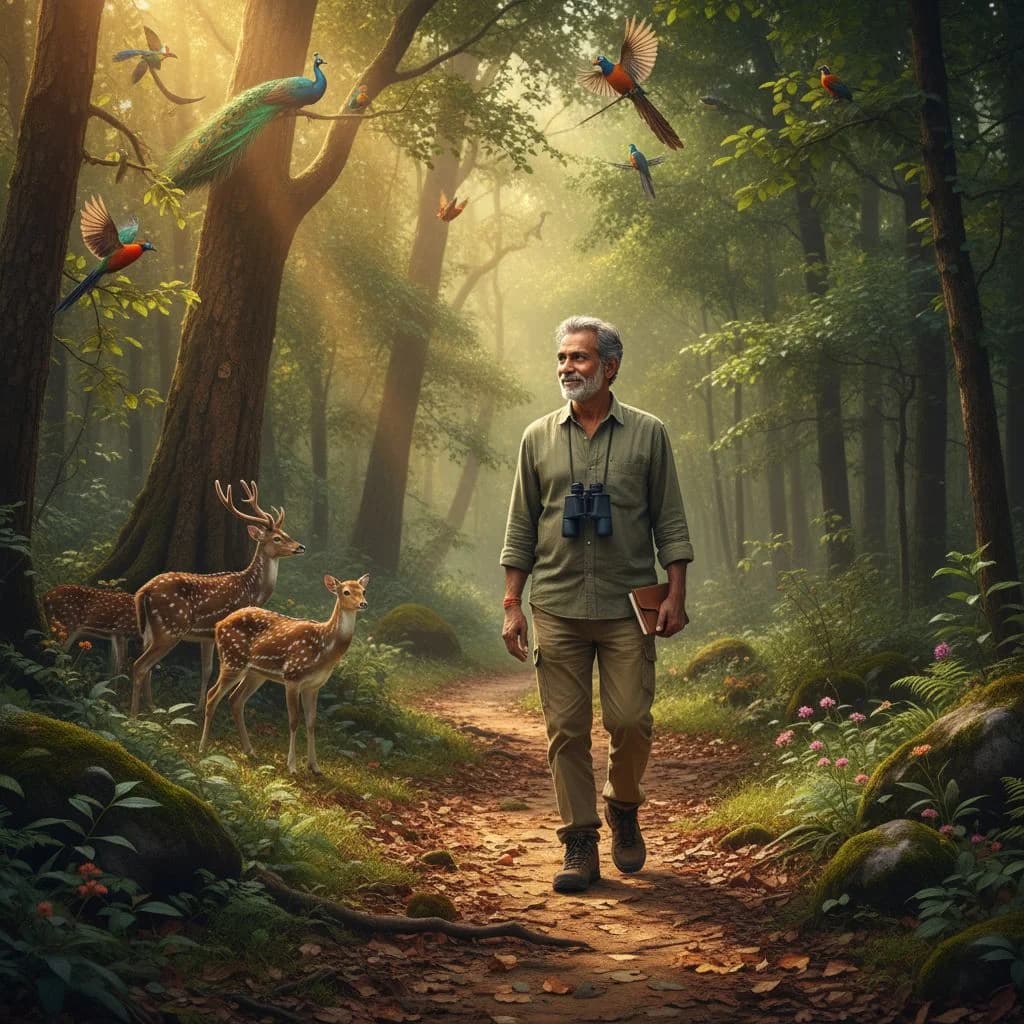
Agam Singh Gokarni found wisdom in nature by spending time on foot in forests. His close encounters with wildlife teach us to observe deeply and stay curious. This approach invites travellers to pause, ask questions, and learn beyond surface experience.
Agam Singh Gokarni believed that walking slowly through the forest was the best way to learn about nature. When you walk quietly on foot, you catch things that a quick glance misses. A rustle in the leaves, the shape of a tiny insect, or the pattern on a bark can tell stories if you pause and look closely. Agam’s walks were more than just travel. They were moments of deep attention.
As he moved through the trees, Agam learned to read the language of the woods. He noticed how sunlight touched different plants, how birds used certain branches, and how animals made trails. These details helped him understand how every part of the forest connected. Walking slowed his mind and opened his senses.
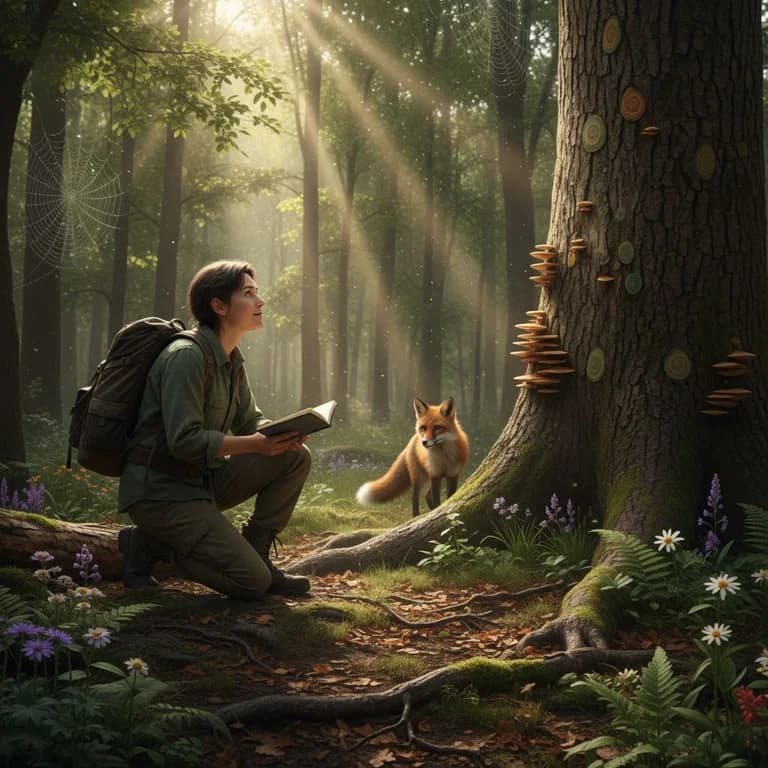
Once, waiting patiently by a small stream, Agam saw a spider build its web strand by strand. He learned about patience and the value of careful work in nature. Such moments grew his respect for living things and sharpened his skill as a naturalist. His quiet steps invited others to slow down and see the world with open eyes.
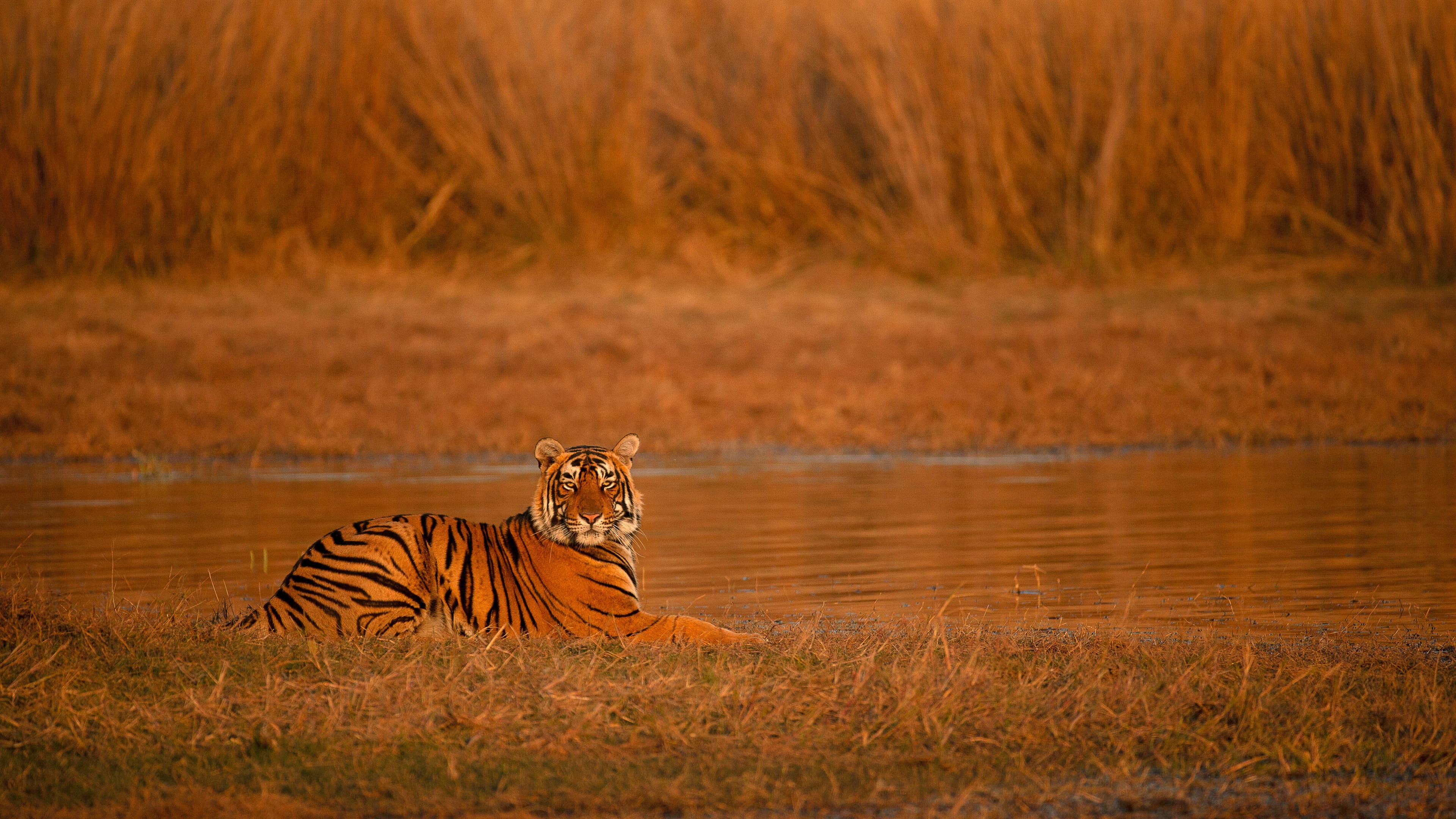
Agam Singh Gokarni learned much by simply watching animals in their own space. He spent hours quietly observing how creatures hunted, played, and cared for their young. Through these moments, he saw raw survival—how each animal knew when to act and when to wait. The patience and balance in their movements taught him how life depends on small choices made every day.
By watching how animals interacted with each other and their surroundings, Agam gained insights into the web of life. He noticed how predators and prey keep a balance in the forest. He learned that every creature has a role that supports the whole ecosystem. These lessons showed him the importance of respecting nature’s pace and limits.
For travellers, Agam’s experience is a call to slow down and watch quietly. Being respectful means not disturbing the animals or their homes. It means learning about life through observation, not noise or quick snapshots. Guided nature walks help visitors discover wildlife safely while honoring the forest’s rhythm. With patience and respect, anyone can connect deeply with wild places and grow wiser through what they see and feel.
Agam Singh Gokarni’s deep curiosity was the spark that lit his path as a naturalist. He didn’t just walk through forests; he asked questions—about the plants, animals, and sounds around him. Every question led to a conversation, and every conversation brought new understanding. For Agam, nature was never just a backdrop. It was a living story waiting to be told, shared, and explored together.
Dialogue was key to spreading his knowledge. He believed learning should be a two-way street, where travellers and locals both teach and listen. This way, education becomes more than facts—it becomes an experience filled with wonder and respect. Agam’s talks were never a show. They were an invitation to think, observe, and reflect deeply.
This mindset helps travellers find real meaning in their journeys. Instead of rushing past sights, they slow down and connect. Exchanges with local guides and experts open doors to hidden truths about nature and culture. That’s why meaningful dialogue matters—it creates connections that last long after the walk ends.
Choosing thoughtful travel makes all the difference. Staying in trusted forest lodges lets you experience nature up close and with respect. These places often work with local people who know the land and wildlife well. When you join guided jeep safaris, you see more, but also learn why animals behave a certain way. You don’t just watch — you understand.
Exploring the culture of nearby communities adds another layer to the trip. Meeting locals, hearing their stories, and seeing their way of life connects you to the forest in a real way. This is not about quick snapshots but about building respect and care for the place and its people.
Agam Singh Gokarni’s life shows why this matters. He walked slowly, asked questions, and paid close attention to all living things. His way of traveling was about learning and connecting, not rushing or just ticking boxes. Following his example, we find journeys that teach us more than sightseeing ever could. That’s where real meaning lives—in education, connection, and respect for nature.
Agam Singh Gokarni’s life shows that true learning comes from walking, watching, and wondering. Travellers inspired by his story can choose experiences that deepen their bond with nature. Platforms like Junglexp help make this possible by offering carefully planned trips focused on education and respect for wildlife and culture.