//


DISCOVER . EXPLORE . READ
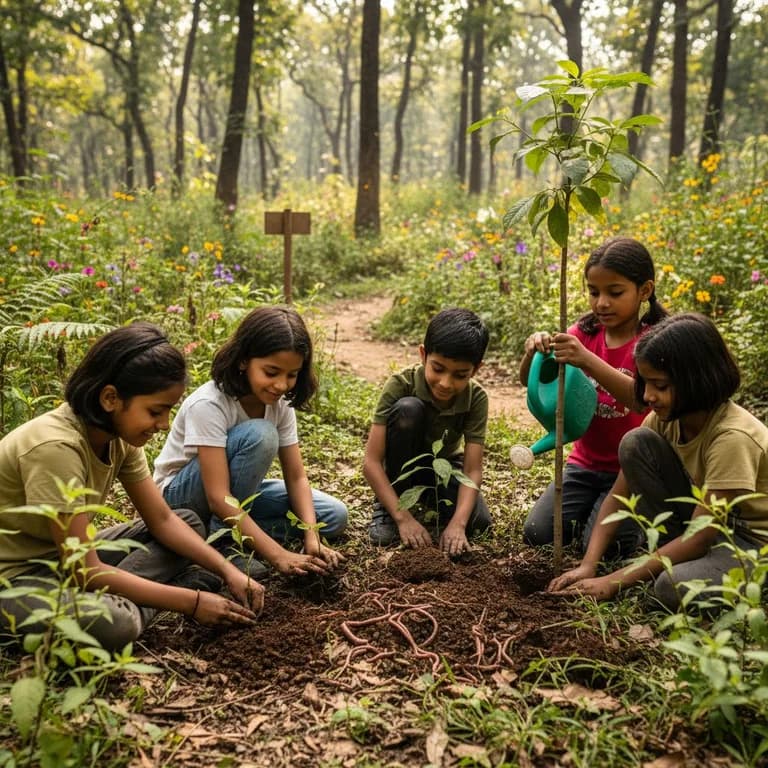
Plants help clean the air we breathe and calm our minds. Understanding soil oxygen and plant intelligence reveals how these living beings restore balance in our homes and world around us.
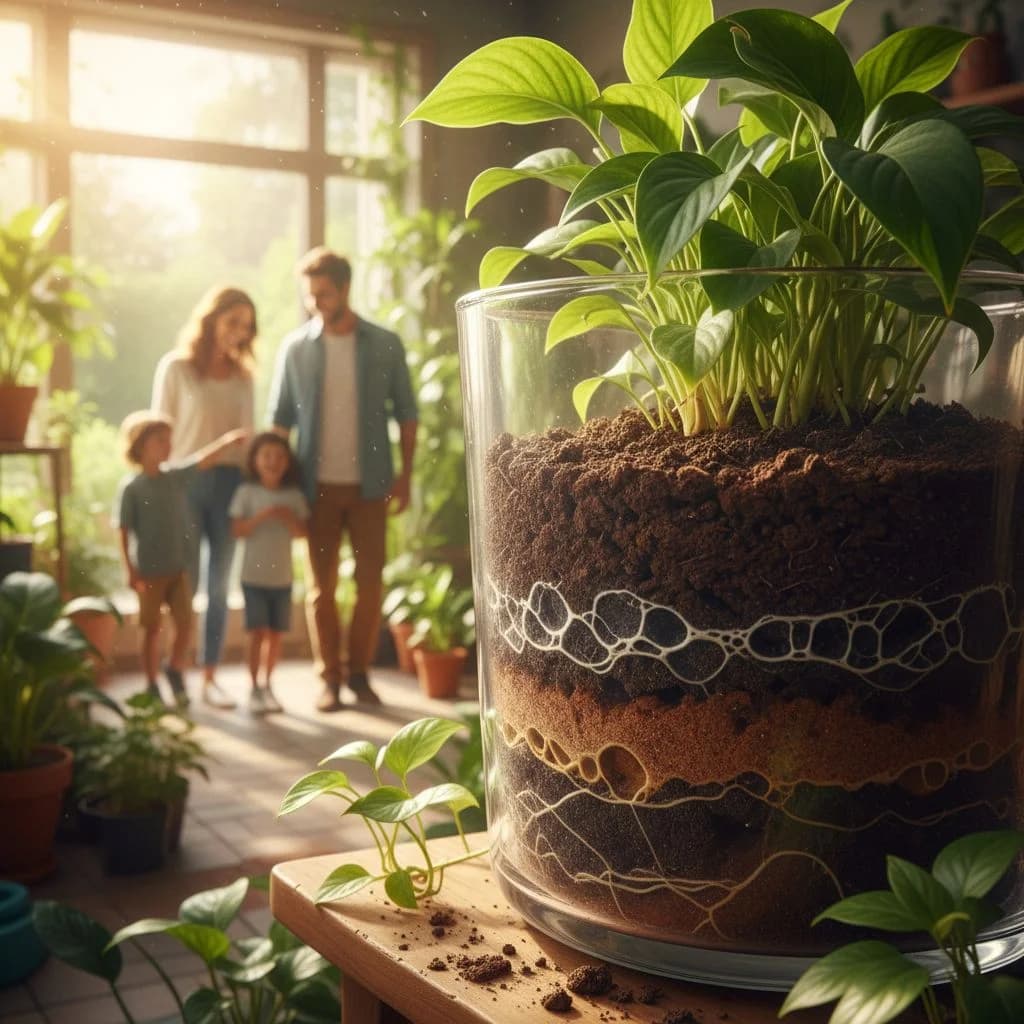
Soil is more than just dirt. It is a living home for plant roots. Good soil holds three key things: air, water, and nutrients. These are essential for roots to grow healthy and strong. Soil is full of tiny spaces that trap air, keeping it fresh and easy for roots to breathe. This air contains oxygen, which roots need to stay alive and work well. Without enough oxygen, roots can’t absorb water or nutrients properly. They may even rot and die.
Inside soil, millions of tiny microbes live. These microbes break down dead plant bits into nutrients that plants use. Plants and microbes have a friendly relationship. Plants give sugars to microbes, and microbes help plants get food from the soil. This teamwork keeps soil healthy and full of life.
Poor soil can be packed too tightly or lack nutrients and air. This makes it hard for roots to grow and weakens plants. You can fix soil by adding compost or mulch. These help keep soil loose, moist, and rich. A simple step like loosening soil or mixing in organic matter can make plants happier and homes greener.
Plants do more than just soak up sunlight. Like all living things, they need energy to grow and stay alive. They get this energy by breathing, a process called respiration. During the day, plants use sunlight to make food through photosynthesis. This process takes in carbon dioxide from the air and gives off oxygen.
But at night, when there is no sunlight, plants switch roles. They take in oxygen and breathe out carbon dioxide. This might sound strange, but it is how plants turn the food they made during the day into energy. The oxygen helps break down the sugars inside the plant, releasing energy for growth and repair.
Indoor plants have a special ability to adapt to the air inside our homes. They take in carbon dioxide and pollutants and release fresh oxygen, helping to clean and balance the air we breathe. This not only supports the plant’s health but also makes our living spaces feel fresher and less stressful. So, when you care for your plants, you’re inviting a quiet, natural helper that breaths alongside you and makes your home a healthier place.
Plants are smarter than we often think. They don’t have brains, but they can sense the world around them. When a plant feels too much sunlight or less water, it changes how it grows. For example, leaves might turn toward light or roots dig deeper into soil to find moisture.
Plants also talk to each other, but not with words. They send out chemical messages through the air and their root systems. If one plant detects danger, like an insect bite, it can warn its neighbors. Those neighbors then prepare by making chemicals to protect themselves. Roots swap nutrients and help weaker plants grow strong.
You can see plant "memory" too. Some plants remember being touched and close their leaves next time. Experiments show plants learn to react to signals, like a sound or light, after a few tries.
Having plants inside your home does more than decorate. Their quiet intelligence helps calm your mind. They release fresh air and lower stress, creating a peaceful space. Plants and people have a subtle bond, sharing energy that helps both grow better.
Bringing plants into your home does more than add beauty. They help clean the air by taking in carbon dioxide and releasing oxygen. This fresh air clears out dust and some harmful chemicals, creating a healthier space. Just being around plants can lower stress and calm your mind. Their green color and gentle presence make rooms feel peaceful and balanced.
Different rooms need different plants. For bedrooms, pick plants that release oxygen at night, like snake plants. Kitchens do well with herbs such as basil or mint, which also add fresh smells. Living rooms thrive with bigger leafy plants that brighten the space. To keep your plants healthy and soil full of oxygen, water them on time but avoid overwatering. Light the soil gets air too, so loosen it now and then with a small tool.
Spending time in nature helps you understand plants better. Guided nature walks or jeep safaris offered by some groups reveal how plants live and grow in the wild. This kind of learning deepens your bond with plants and makes caring for them at home more meaningful. Try to explore outside when you can—your plants and your mind will thank you.
Plants give us clean air calm minds and a balance we often miss in homes today. By understanding soil oxygen and plant intelligence, we can care for plants better and invite more nature into our lives for peace and health.