//


DISCOVER . EXPLORE . READ
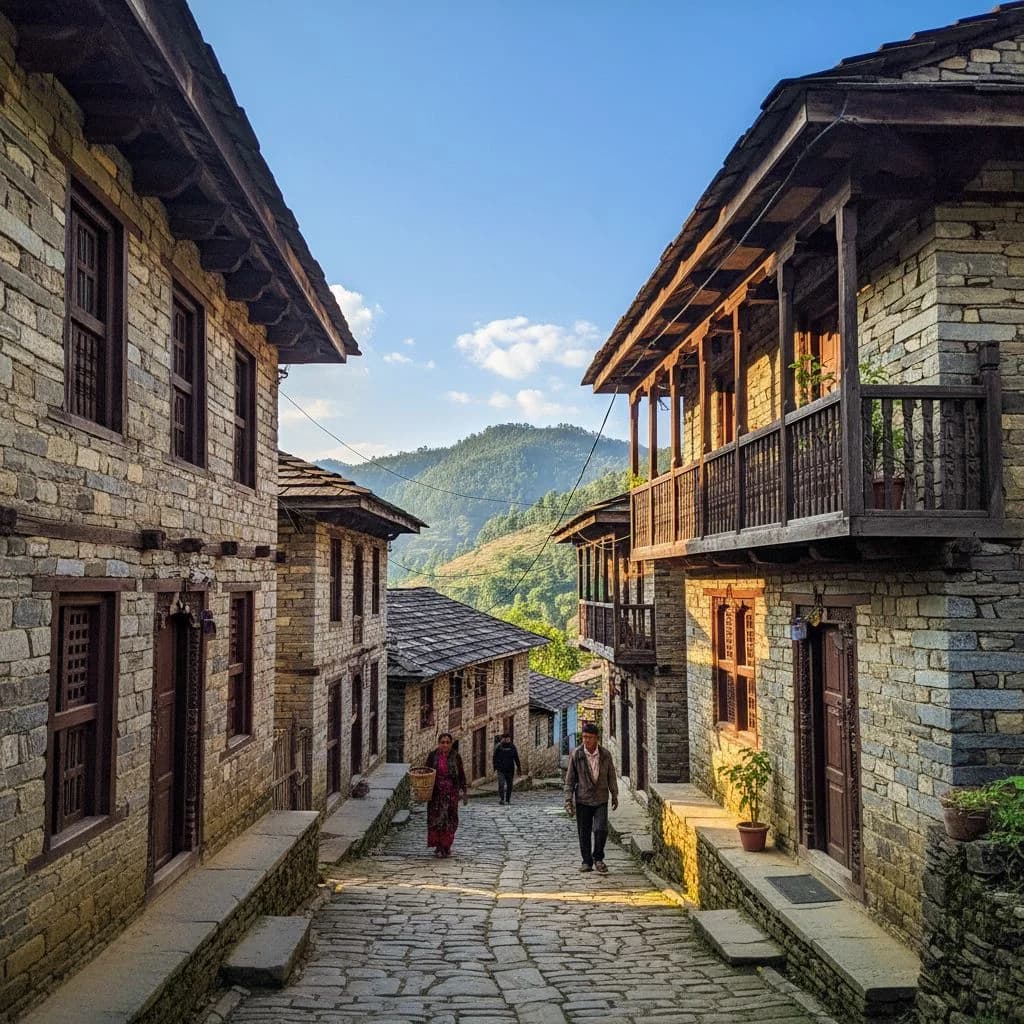
Kaladhungi, a quaint town in the Himalayas, holds stories in its stone houses and narrow lanes. This article explores Kumaoni architecture, revealing local skills and the deep culture untouched by hotel tourism. Discover the warmth of Himalayan life and how Junglexp connects travelers to this rich heritage.
The stone houses in Kaladhungi tell stories of the Himalayas without saying a word. Built with local stones, their walls stand thick and strong against cold winters and heavy rains. The stones come from nearby hills, chosen for their weight and shape. Builders stack them carefully without using too much mortar, fitting each piece so tightly that the walls breathe yet keep warmth inside.
These houses often have small windows with wooden frames carved by hand. The sloping roofs, made of slate or wood, help shed rain and snow quickly. This design keeps the inside dry and cozy. Stone is not just strong—it cools the home in summer and holds the heat during chilly nights. It fits naturally into the mountain setting, blending with the rocky landscape.
More than shelter, these buildings show the Kumaoni way of life. They reflect quiet strength and simple beauty, made by hands that respect nature. Unlike hotels or resorts, these homes remain untouched by outside trends. Living here means living the old ways, wrapped in warmth, culture, and mountain peace.
Local craftsmen shape Kumaoni homes with hands honed by years of tradition. Their skill is not just work—it is a living art passed down through generations. Using simple tools like chisels, hammers, and adzes, they carve intricate patterns on wooden beams and door frames. The stone walls you see around Kaladhungi are built with care, each stone placed perfectly without mortar in many cases, relying on balance and fit.
These craftsmen know the land well. They select local wood and stone that hold up against Himalayan weather. Their work is slow and steady, done with respect for nature and the community. Every carved motif has meaning—protection, prosperity, or a story from village life. Craftsmanship here is a way to show pride in who they are and where they live.
Travelers walking Kaladhungi’s lanes find more than old houses. They see elders at work and hear the sounds of tools shaping wood and stone. Cultural tours offer a chance to meet these artists, watch their process, and feel the pulse of a tradition alive and untouched by commercial tourism. This hands-on heritage tells a story far richer than any hotel stay ever could.
Walking through the narrow lanes of Kaladhungi, you feel the calm and close-knit spirit of Himalayan life. Kumaoni homes show this spirit in their simple, warm design. Stone walls stand strong, but the heart of these houses lies in their courtyards. These open spaces are often decorated with bright flowers, handmade rugs, and wooden carvings. They invite families to gather, talk, and share meals, creating a friendly atmosphere. Inside, rooms are small but cozy, with thick wooden beams and fireplaces that keep the cold mountain air out.
These homes are built not just for shelter but for connection. Neighbors often meet in shared alleyways or common areas. This sense of community is strong here. It stands in sharp contrast to the cold, quiet halls of standard hotels. In Kumaoni architecture, the focus is on togetherness and comfort, on making people feel welcome and safe. The houses tell stories of a lifestyle where every stone, every woodwork piece, carries the warmth of the people who live there.
Wandering through the lanes of Kaladhungi offers more than just sights—it opens a door to the Kumaoni way of life. Here, traditional stone houses stand firm, telling stories carved by skilled hands over generations. These homes, with their wooden beams and sloping roofs, were built to last and to hold families close. Staying in them lets visitors feel the heartbeat of this place.
Travelers can walk with locals who share tales about these homes and their unique features. The walks reveal simple details: the patterns on carved doors, the way sunlight falls on courtyards, the places families gather. These moments connect visitors to the real Kaladhungi, far from hotel halls and tourist shops.
Experiences that include night stays in heritage homes bring the Kumaoni culture alive. Sharing meals, hearing folk songs, and joining daily routines show the gentle spirit of this region. These trips support local artisans and families. They help keep traditions and crafts alive.
This style of travel brings meaning and warmth. It’s a chance to see Kumaoni heritage not as a visitor, but as part of a living story.
Kumaoni architecture in Kaladhungi offers more than just buildings; it tells stories of culture and community. Through Junglexp, travelers can immerse in this living heritage, enjoying authentic experiences that respect and celebrate Himalayan traditions.